Interview: Serena Ward, Environmental Advisor, Costain Group
When did you get started in the construction industry?
I joined Costain at the start of 2018 as a graduate working on the Crossrail Paddington Station project as part of the Costain-Skanksa joint venture, this was back when we thought Crossrail would be complete by the end of 2018!
What is the most exciting part of your job?
Pre-lockdown I really enjoyed getting out onto site everyday and moving between different sites and offices; obviously that has all changed now, and I’m currently sat at my dining table. I enjoy the variety that being an environmental advisor brings; we cover everything from ecology, to air quality to low-carbon engineering. A particular highlight was a lost parrot walking onto our site and getting a very panicked phone call from our site engineer.
How important do you think technology is to the future of the construction industry?
Very important, I really believe that we can have a net carbon zero construction site in the next 10 years and the only way we can achieve this is to really embrace new technology. We are already seeing hydrogen-based technologies appearing on construction sites and it’s great to see that projects such as HS2 are embracing different ways of doing things.
What are you looking for in a construction technology tool? What’s the single most important aspect?
For me, it must be the ability to really drive down our carbon footprint and reduce our on-site emissions. We are also starting to see that when we reduce carbon, we also reduce our long-term site costs. Once you can prove that a tool will reduce both carbon and cost, you are onto a winner and it is easy to get buy-in from the senior management teams.
When and why did you start using Qflow?
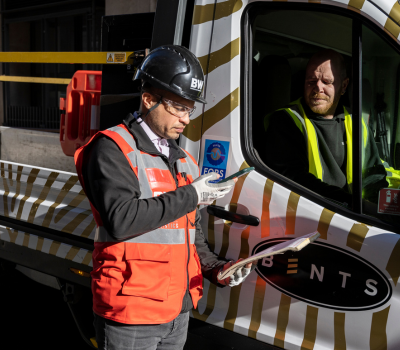
We started using Qflow as part of the HS2 Enabling Works Contract at Old Oak Common in West London. Our scope of works included ground remediation and muckaway; it was important we knew exactly how much material was leaving our site and where it was going to. Qflow really helped us to keep a daily log of all our material movements.
What’s the biggest benefit you have gained since implementing Qflow on your site?
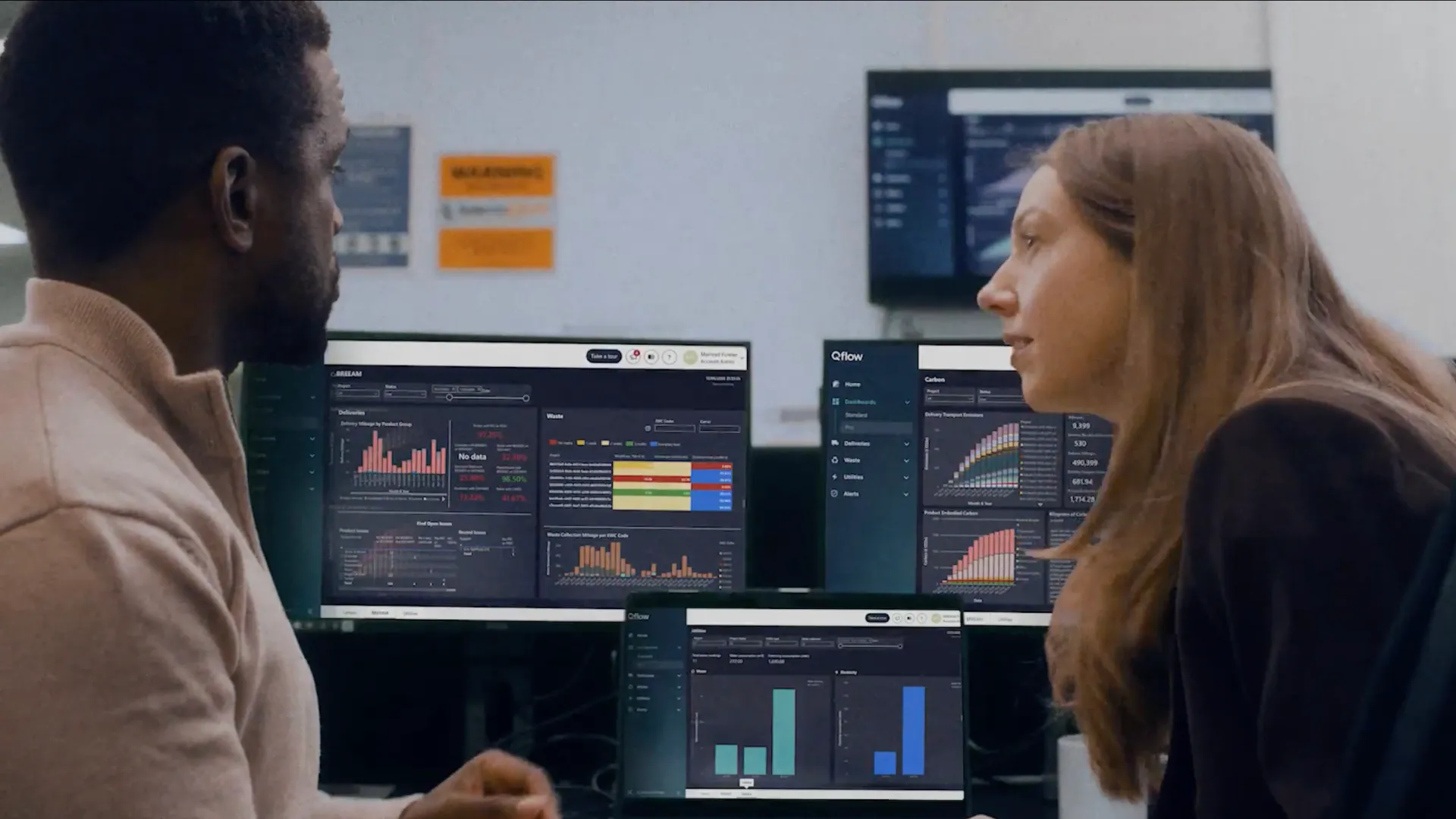
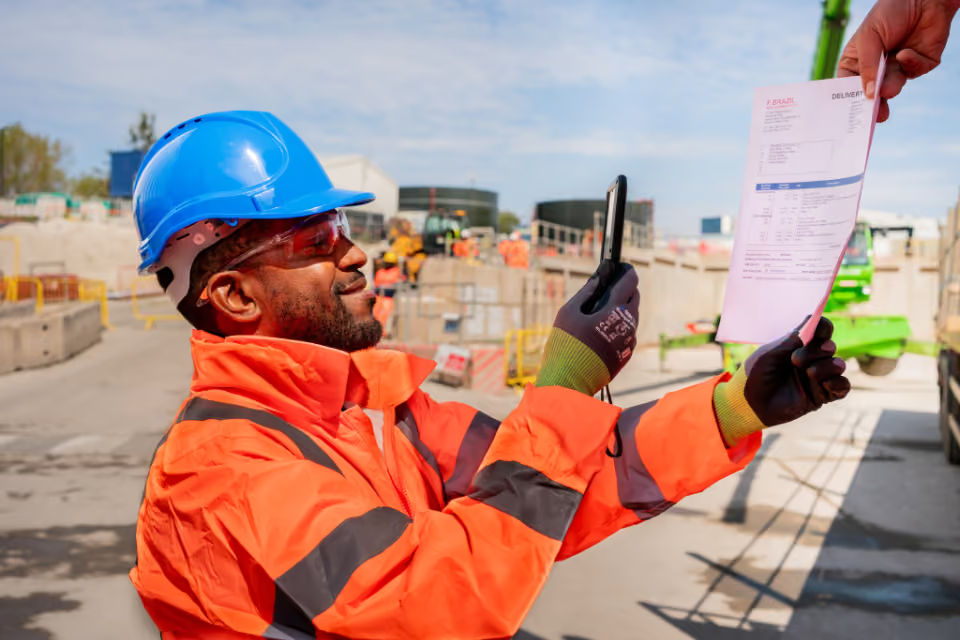
The biggest benefit that Qflow has brought to us has been the ability to see the waste tickets within hours of the waste leaving site, previously we were waiting up to 2 weeks to receive waste transfer notes from contractors. By having the daily volumes we can identify any potential non-compliances, measure productivity and assist with financial reporting.
What’s the next big focus for you?
I am moving onto the HS2 main works contract working for the SCS joint venture and I plan on pushing towards establishing a net carbon zero construction site.
We are seeing a great appetite for hydrogen-based technologies such as welfare cabins and tower lights, I want to see these technologies become the industry norm. I think that all new technologies that offer the potential to reduce our site’s carbon footprint should be embraced.
If you could give one piece of advice to the next generation of construction professionals, what would it be?
Construction is an industry with space for everyone! The industry typically has a very masculine stereotype but more and more women are entering the industry and shaking things up.
Please note, the views and opinions expressed in this article are that of the interviewee and do not necessarily express the views of the company they represent.

Ready to see Qflow in action?
A 20-minute call to walk through the product on the parts that matter to your team.
News & Insights
Resources to build site better data.
Read insights, reports and practical guides on construction waste, carbon, materials, compliance and the changing role of data in the built environment.