How to Reduce Carbon Emissions in Construction
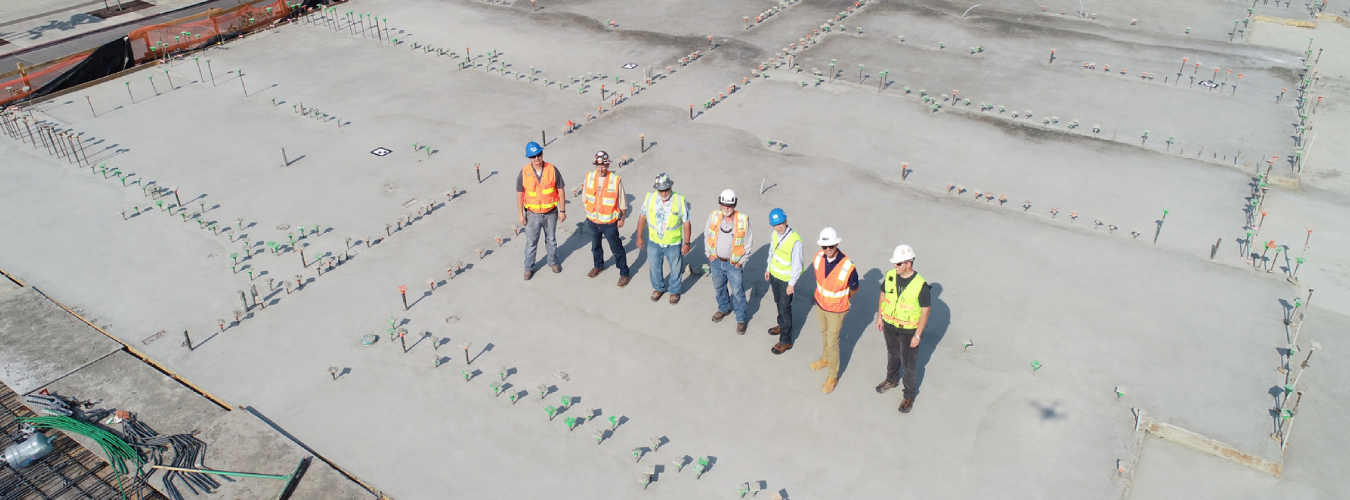
The construction industry is by far the largest contributor of greenhouse gas emissions worldwide, accounting for nearly 40% of such emissions while the second worst-offending industry – agriculture – accounts for 11%. Emissions related to the construction industry typically fall into two categories: those produced during the extraction, manufacturing and transportation of materials, and the energy used during the construction of the building.
The process of transforming the construction industry into one that is no longer a drag on the global environment requires the adoption of a host of strategies that will affect the amount of carbon emitted during the two main phases of the construction process noted above. In order for this process to be truly effective, it will require the active cooperation of all stakeholders including architects, engineers, materials manufacturers, property developers and the construction companies themselves.
Strategies to Reduce Carbon Emissions in Construction
In order to bring carbon emissions related to construction under control, it is vital for everyone involved to embrace the following principles:
- Embrace the use of sustainable materials, including making sure all materials used on a project are responsibly sourced.
- Optimising the transport of materials from the source including the use of more energy efficient vehicles.
- Adopting comprehensive waste reduction measures in every phase of a project.
- When possible, the use of renewable energy sources such as solar or wind to power construction sites should be prioritised.
- Instituting effective water use management protocols.
- Adopting LEED and BREEAM certification to help ensure environmentally responsible materials are used.
- Implementing procedures to monitor the ongoing environmental impact of a project.
- Making sure buildings are fitted out with environmentally responsible features including efficient HVAC equipment, LED lights and district heating initiatives.
- Employ Qflow Smart Capture to identify and eliminate hidden carbon in the materials procurement process.
Conclusion
Reducing carbon emissions in the construction industry will require an all-hands-on-deck approach where everyone involved from designers to materials manufacturers and construction companies are committed to the goal. It will not be easy, and it will not happen overnight. But it can be done with the help of cutting-edge technologies such as Qflow Smart Capture.
To find out more, get in touch with Qflow by using the contact form on this website.

Ready to see Qflow in action?
A 20-minute call to walk through the product on the parts that matter to your team.
News & Insights
Resources to build site better data.
Read insights, reports and practical guides on construction waste, carbon, materials, compliance and the changing role of data in the built environment.