How Can Construction Be More Sustainable?
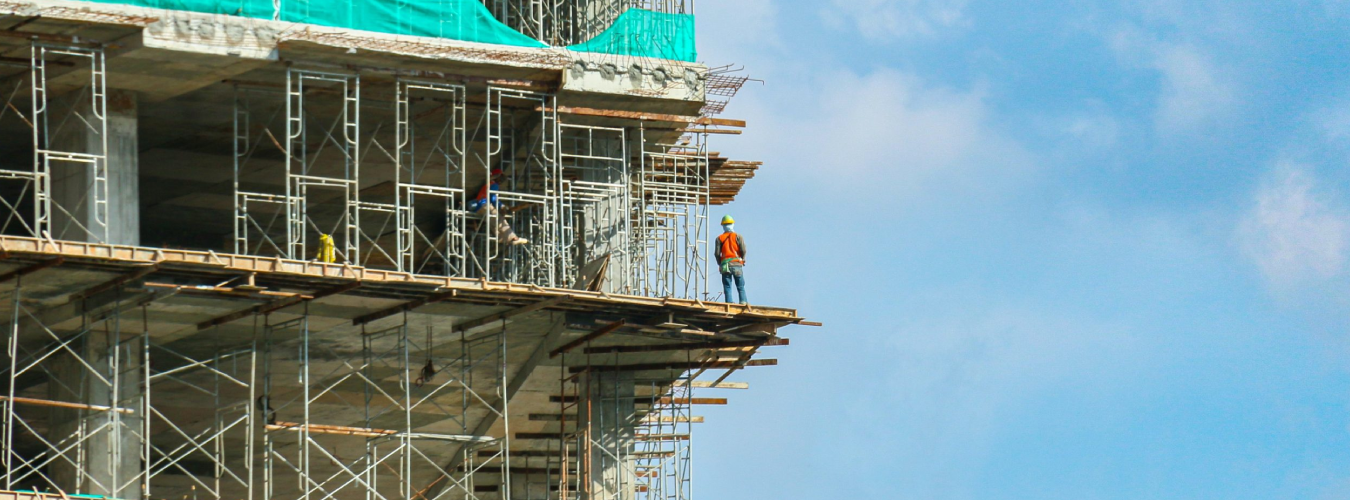
The building and construction sector produces nearly 40% of global greenhouse gas (GHG) emissions, making it by far the largest CO2 offender. By comparison, the #2 sector, agriculture, contributes “only” 11% of global GHG emissions. So, decarbonising the construction industry is imperative if we are to stave off the worst of the climate crisis.
Ways to Make the Construction Industry More Sustainable
Reducing the amount of GHGs produced by the construction industry is non-negotiable if we are to halt the slide into environmental calamity. Any GHG reduction strategy for the industry will need to embrace the following:
- Energy-Efficient Equipment:Old construction equipment has long been recognised as a major source of emissions, accounting for as much as half of all CO2 emitted from jobsites. Any effort to decarbonise the building industry should start with replacing old equipment with new, energy efficient equipment.
- Sustainable Materials:If the construction industry is to be decarbonised, building materials produced in a carbon intensive fashion will need to be replaced by more sustainable alternatives such as low-carbon concrete and recycled steel.
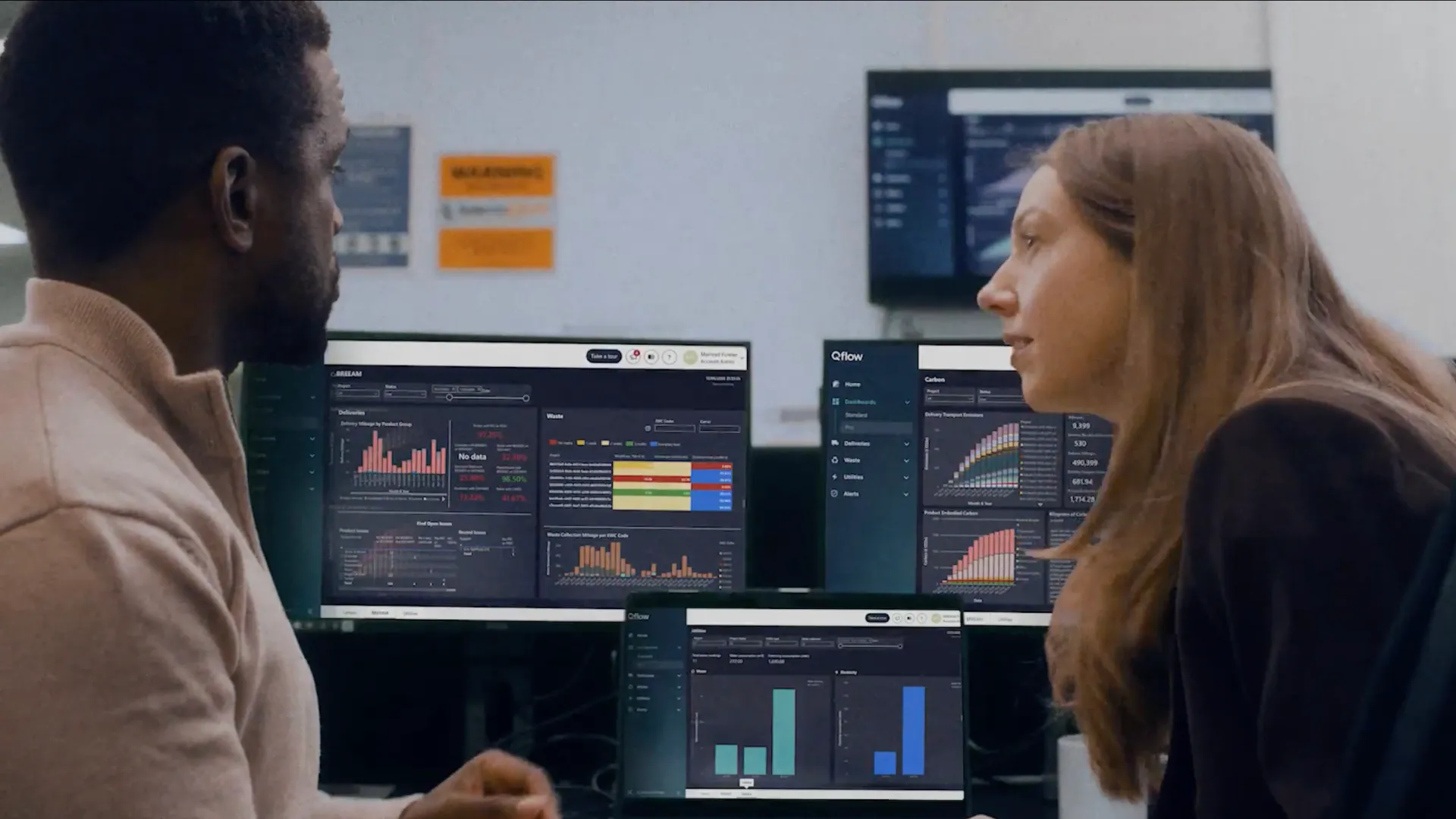
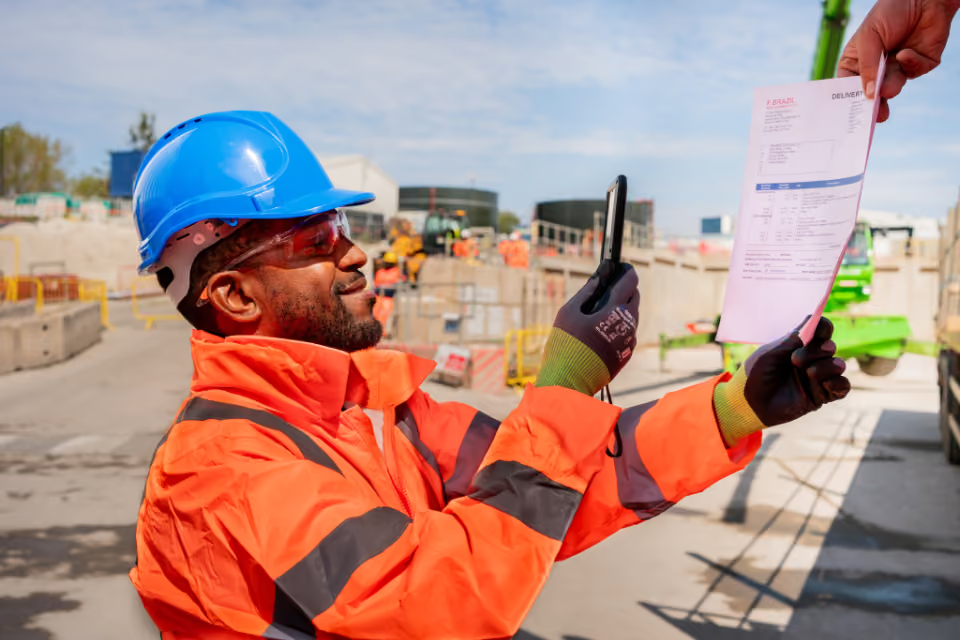
- More Energy Efficient Construction Processes:Most of the construction processes in use today were developed in the 20th century. Some, in the mid-20th century when no one cared about carbon lurking in the supply chain. By embracing cutting-edge technology like Qflow Smart Capture and making carbon accounting an integral part of the project planning process hidden sources of carbon can be exposed and eliminated.
- Involving Stakeholders:Buildings don’t get built without the stakeholders who conceptualise and finance them. If decarbonising the construction industry is to work it will require involving everyone associated with a given project, from the developer to the architect to the construction company.
- Green Building Certifications:LEED (Leadership in Energy and Environmental Design) and BREEAM (Building Research Establishment Environmental Assessment Method) certifications are an excellent way for project managers to ensure a building’s sustainability and to establish carbon emission and energy use goals.
Get to Know Qflow
Qflow Smart Capture can help construction companies ferret out carbon in their supply chain and do their part to ensure the UK meets its ambitions Net Zero 2050 targets.
To find out more, get in touch with Qflow by using the contact form on this website.

Ready to see Qflow in action?
A 20-minute call to walk through the product on the parts that matter to your team.
News & Insights
Resources to build site better data.
Read insights, reports and practical guides on construction waste, carbon, materials, compliance and the changing role of data in the built environment.