Decarbonising a Construction Project: Our Step-by-Step Guide
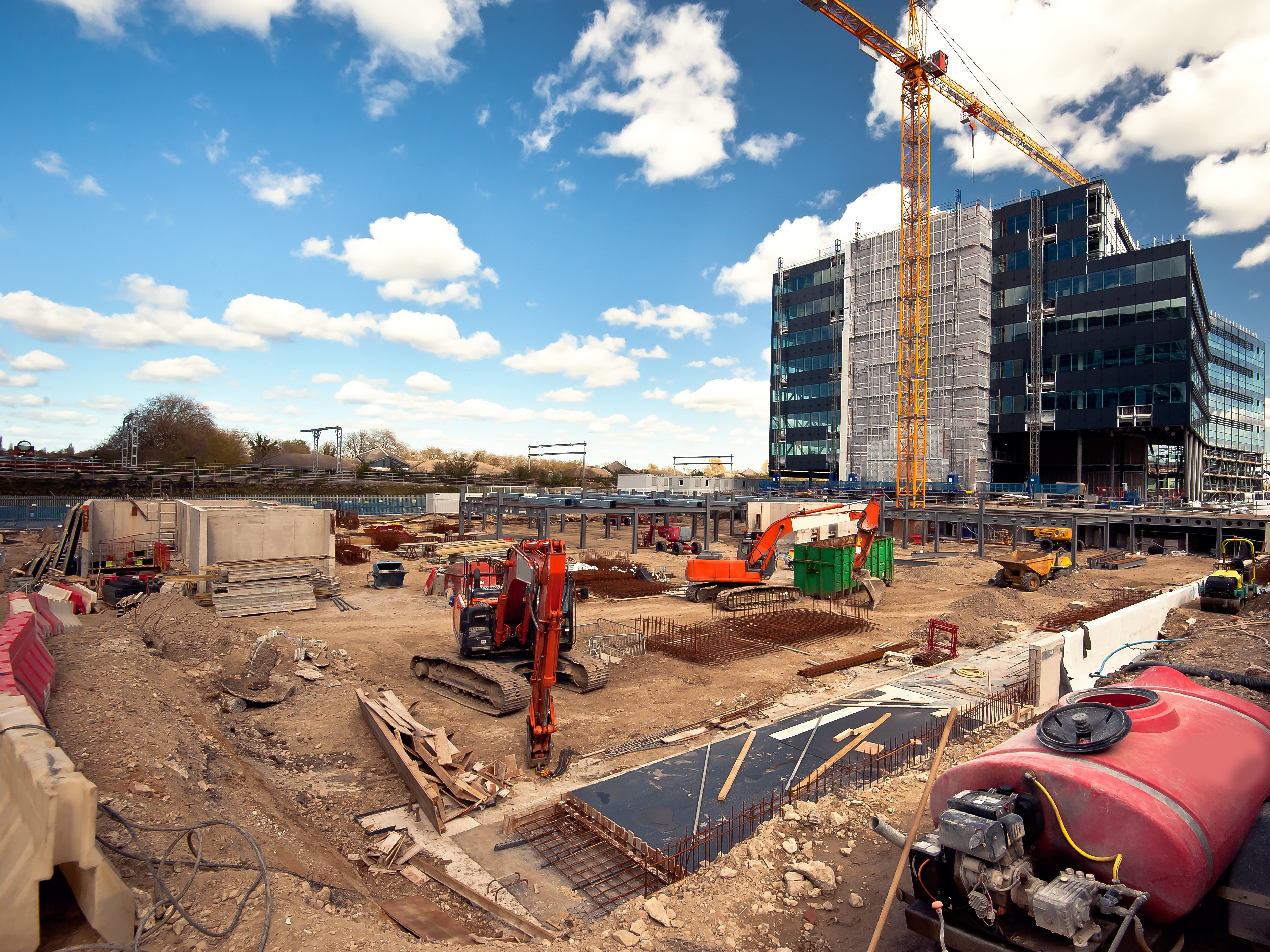
The process of decarbonising a construction project is no small feat. If it is to be accomplished, carbon must be reduced or eliminated at every stage of the project’s life cycle – starting with design and continuing on through the operation of the structure as its demolition at some far distant date. In this guide, the team at Qflow take you through the steps of decarbonising a typical construction project.
A Step-by-Step Guide to Decarbonising a Construction Project
Step 1: Establish Goals
During the design phase, decarbonisation goals must be established. Those may include setting carbon reduction targets or achieving true Net Zero for the project. These goals will then be used to inform the design.
Step 2: Perform a Carbon Footprint Assessment
The goal of this step is to quantify the project’s projected carbon emissions including those generated by materials, transportation, construction activity and more right through demolition and removal. This will identify areas where carbon reduction efforts will need to be directed.
Step 3: Integrate Renewable Energy
Solar, wind, thermal and more should be integrated into the design wherever possible to reduce dependence on fossil fuels. Passive design techniques such as optimising natural ventilation should also be integrated into the project.
Step 4: Choose Low-Carbon Materials
The design should emphasise the use of low-carbon building materials such as reclaimed wood, recycled steel, sustainably grown timber, low carbon concrete and more.
Step 5: Promote Sustainable Transport for Workers
It’s important not to overlook the impact construction workers commuting to the site every day has on the whole life carbon footprint of the building. As such the use of public transport, bicycles, low-emission vehicles, and carpooling should be encouraged.
Step 6: Use Qflow’s Supply Chain Optimisation Solution
Qflow allows construction companies to reduce or eliminate energy waste in their material supply chain by automating key elements of the process and removing the chance of human error or oversight. Qflow can be integrated directly into your existing site applications with no disruption.
Conclusion
The process of decarbonising a construction project starts with the design and includes every aspect of the construction, operation, and demolition. To learn more about how Qflow can help facilitate decarbonisation, get in touch with us today.

Ready to see Qflow in action?
A 20-minute call to walk through the product on the parts that matter to your team.
News & Insights
Resources to build site better data.
Read insights, reports and practical guides on construction waste, carbon, materials, compliance and the changing role of data in the built environment.