An alarming trend in construction supply chains
Since starting here at Qflow I have sat in many meetings where I’ve been told time and time again that we knowEXACTLY what is in our buildings, I actually remember a specific project where the first call started exactly that way…
Over the last couple of years, we have seen supply chains stretched to their limits with elongated lead times and some materials simply out of stock indefinitely. In a recent article, I read that roof tiles are taking an average of 41 weeks to be delivered, that’s this year, 2022. We are seeing material price inflation like we haven’t seen in decades with a 21% rise in the cost of building a standard house between Feb 2021 and Feb 2022. On top of all the difficulties brought on by Covid and Brexit, we now have conflict in Europe and Russian sanctions on export. Russia holds 20% of the global forest area and is a significant contributor to EU timber (30.9% of EU imports) as well as iron ore (12%), coke (44%), and nickel (81%) all used in steel manufacturing.
So what does this mean for projects?
Simple – subcontractors are having to deal with more pressures. They are being forced to use suppliers they may not have worked with in the past or new materials and brands for the first time. They are having to switch suppliers at the last minute and the original products they quoted for have extended lead times or may no longer be financially viable. With so many elements to contend with, no wonder we are seeing a rise in non-conformant materials.
So why not tell the subcontractors whom to source from?
Two factors make this impractical and ineffective. Firstly, the lower down the supply chain you go the more experience they have with specific products. You don’t ask a doctor about the latest advancements in bandages, but a nurse could sure tell you! You are benefitting from their experience, however, a realistic consequence of this is you lose elements of transparency. Secondly, as we’ve discussed, availability in the supply chain is changing so rapidly that what you specify one week, may not be available the next. Although you may have diligent procurement procedures in place, the realities of our current supply chain mean that things inevitably get substituted last-minute, posing a risk to project quality and compliance.
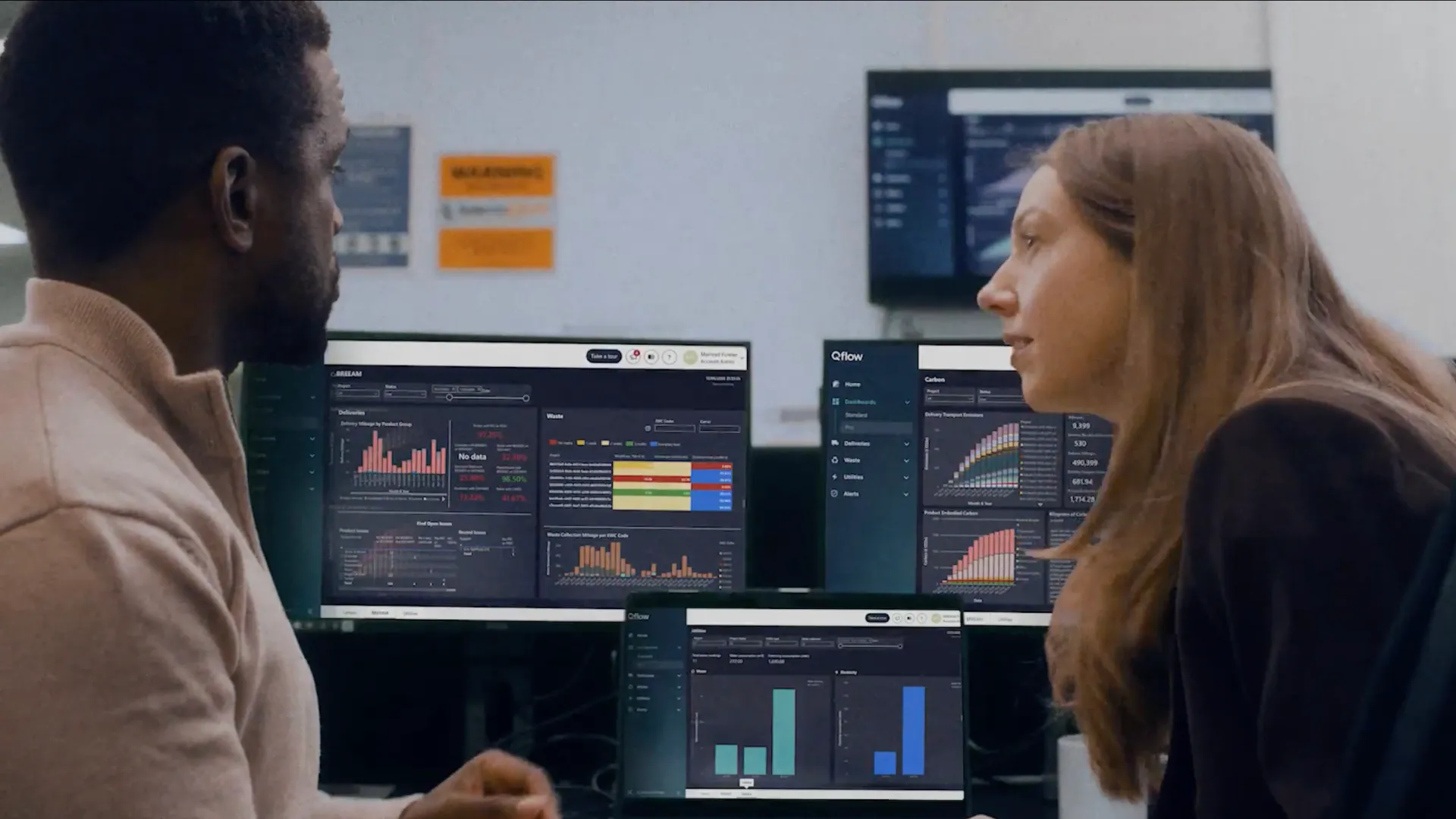
To put it into perspective, that project that came to mind at the beginning of this article, I have seen a 300% increase in the number of FSC notifications issued over the rolling 6 months. This being a BREEAM project, the main contractor clearly specified the FSC requirement in advance and even had certificates from the intended supplier, however, suppliers change. Luckily, thanks to Qflow, the client knew when the product first reached site and was able to stop it from being put in the building, however, this is a worrying trend and no wonder!
I’m constantly trying to improve my understanding of the pressures on our industry, so if you have similar stories you can share, please reach out to me on the email below. I may also be able to share some examples of how construction teams have overcome these challenges and worked together as a supply chain to continue to deliver responsible, cost-efficient projects.
Ed Taylor, Growth Manager, Qualis Flow


Ready to see Qflow in action?
A 20-minute call to walk through the product on the parts that matter to your team.
News & Insights
Resources to build site better data.
Read insights, reports and practical guides on construction waste, carbon, materials, compliance and the changing role of data in the built environment.